
Environmental and social impact goals:
In rural areas, water sterilisation is a priority for the Donkie Team aiming to eliminate harmful bacteria and viruses, ensuring safe drinking/everyday use water.
Environmental Benefits:
Reduced Environmental Footprint:
Sustainable product development and eco-friendly practices lead to a smaller carbon footprint, reduced resource consumption, and less pollution.
Resource Efficiency:
Sustainable products are often designed to be more durable, reusable, and recyclable, promoting efficient resource management. .
Waste Reduction:
By focusing on minimizing waste throughout the product lifecycle, companies can contribute to a cleaner environment and reduce landfill burden.
Improved Air and Water Quality:
Sustainable practices can help reduce emissions and pollution, leading to cleaner air and water for communities.
Biodiversity Protection:
By minimizing the impact on ecosystems and promoting responsible sourcing of materials, companies can contribute to biodiversity protection.
Limiting Deforestation:
Please note that our product can accommodate all natural/organic fuel sources eg. Dried Cow Dung
Social Benefits:
Improved Employee Morale and Retention:
When employees see their company's commitment to sustainability, it can boost morale, increase job satisfaction, and reduce employee turnover.
Enhanced Customer Loyalty:
Consumers are increasingly looking for sustainable products and companies that demonstrate a commitment to social and environmental responsibility, leading to increased customer loyalty.
Stronger Brand Reputation:
A strong reputation for sustainability can attract investors and partners who share similar values, strengthening the company's overall brand image.
Improved Public Health:
Reducing pollution and promoting healthy products can contribute to improved public health outcomes.
Promoting Ethical Practices:
Sustainable product development encourages ethical sourcing, fair labor practices, and responsible supply chains, contributing to a more just and equitable world.
Contribution to Local Communities:
By supporting local businesses and creating jobs in sustainable industries, companies can contribute to the economic and social well-being of their communities.
Our Mission in the Community
Practical, sustainable solutions to underserved African communities
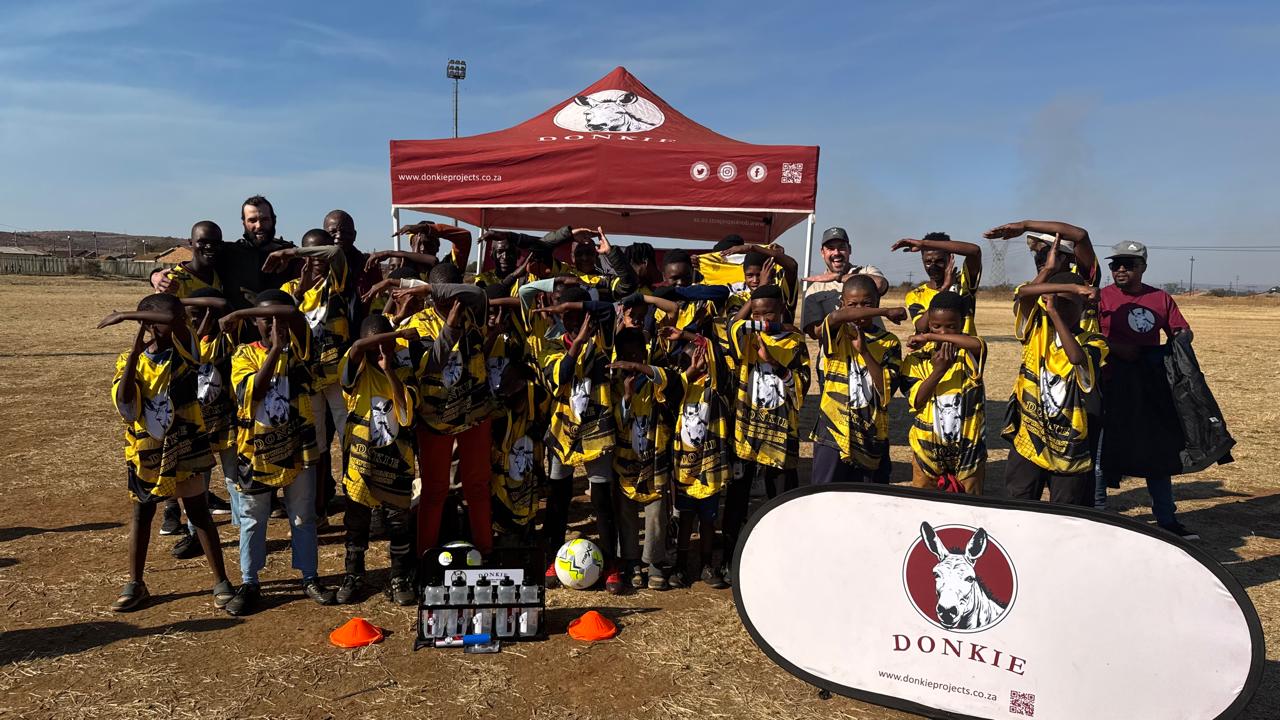
Kicking Off Hope
That’s why we proudly sponsored a local youth soccer team with custom Donkie-branded kits, soccer balls, and water bottles
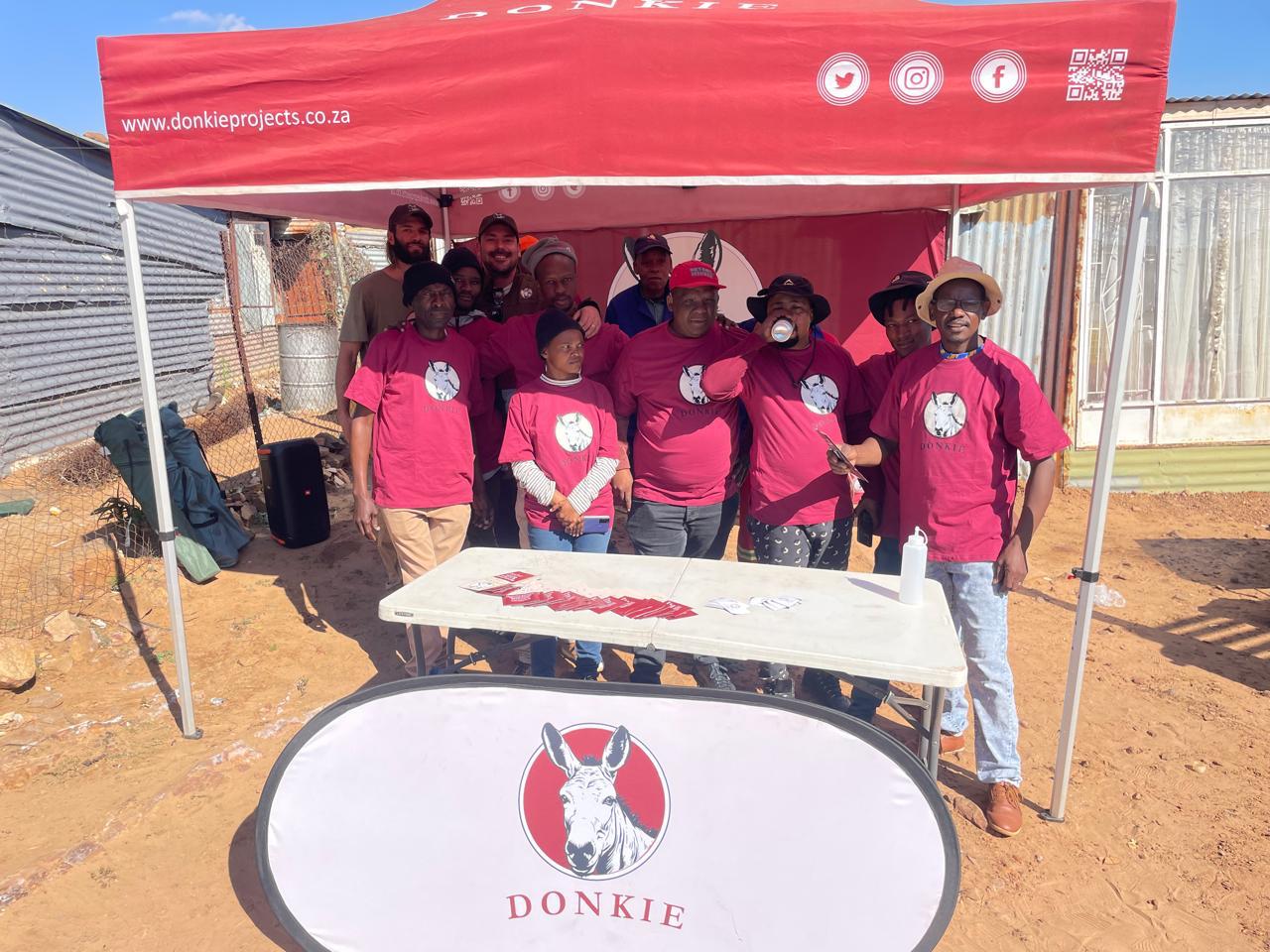
A Community Test Launch
As part of our mission to bring affordable, sustainable hot water solutions to underserved communities, we recently hosted a live Donkie demonstration day in Ikageng